★ ★ ★
A first taste of independence
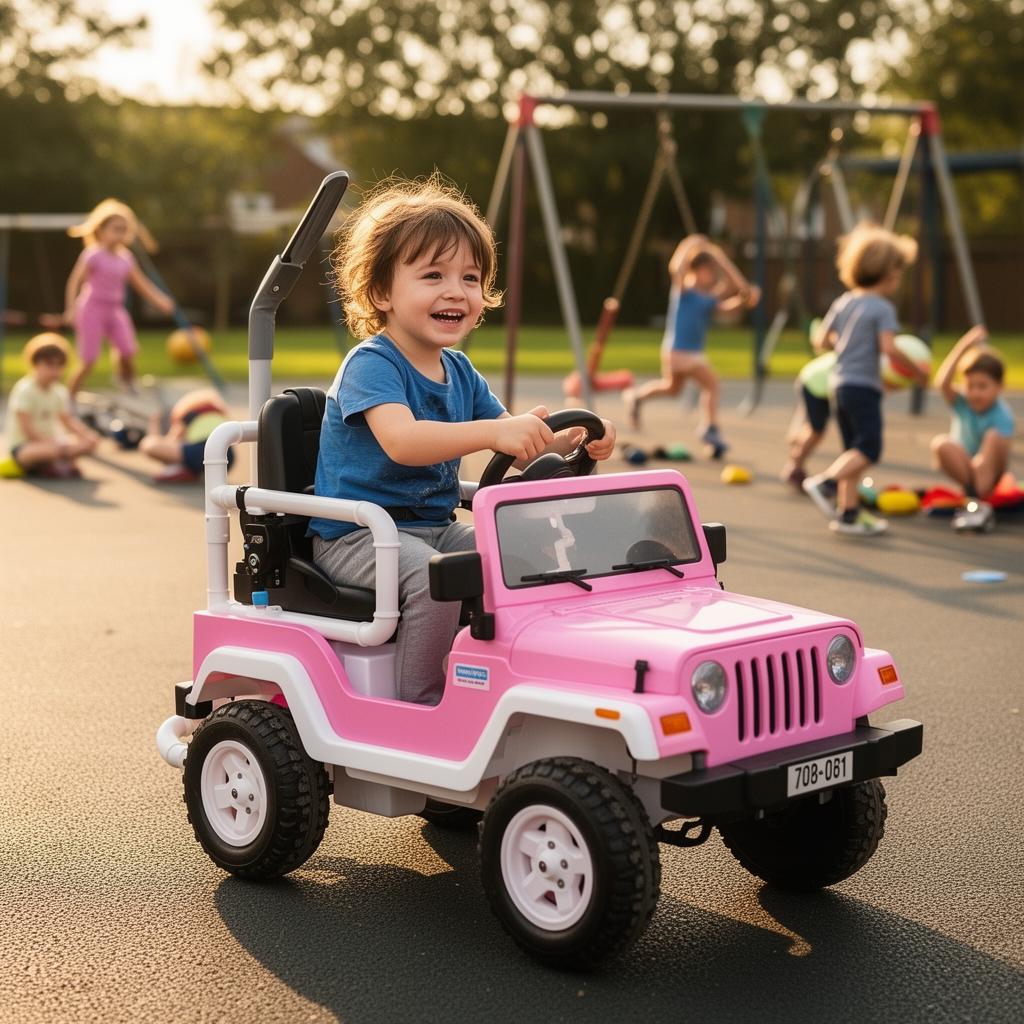
A young child with limited lower-body mobility quickly learned cause and effect — pressing a button to move forward — and began intentionally navigating toward family members.
★ Mobility Made Possible
We design and build the Wayfinder™ series — adapted ride-on cars and adaptive toys that give children with disabilities their very first taste of independent movement, often for a fraction of the cost of a power wheelchair.
IRC §501(c)(3) nonprofit · Built in Eugene, Oregon · EIN 99-1759431
Our Mission
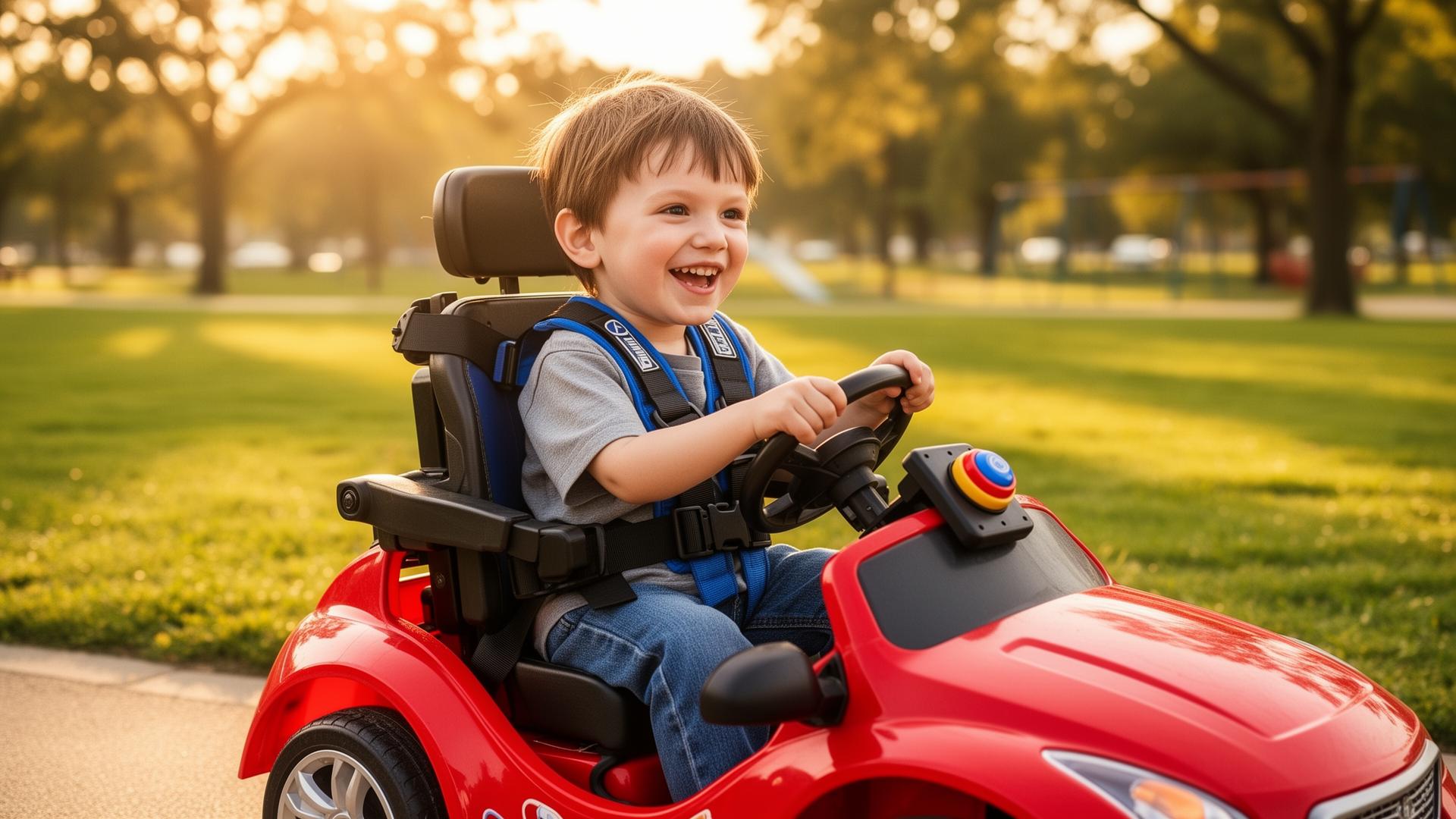
At PNW Assistive Technology, we are squarely focused on increasing mobility and independence for children with complex medical conditions and mobility differences. Through the thoughtful modification of ride-on toy cars, we create customized mobility devices that allow children to explore, play, and interact with their environment — often for the very first time on their own.
Commercial power wheelchairs can cost thousands of dollars and are typically not an option for very young children. Our adapted cars — the Wayfinders™ — are built from affordable ride-on toys and enhanced with supportive seating, adaptive switches, and custom controls. Early independent mobility, finally accessible.
At its core, we are about more than mobility; we are about giving children the chance to simply be kids.
1 in 6
children face a developmental disability
$2,500+
typical cost of a pediatric power wheelchair
~$500
to build a fully adapted Wayfinder™
100%
joy when a child first realizes they're in control
The Wayfinder™ Series
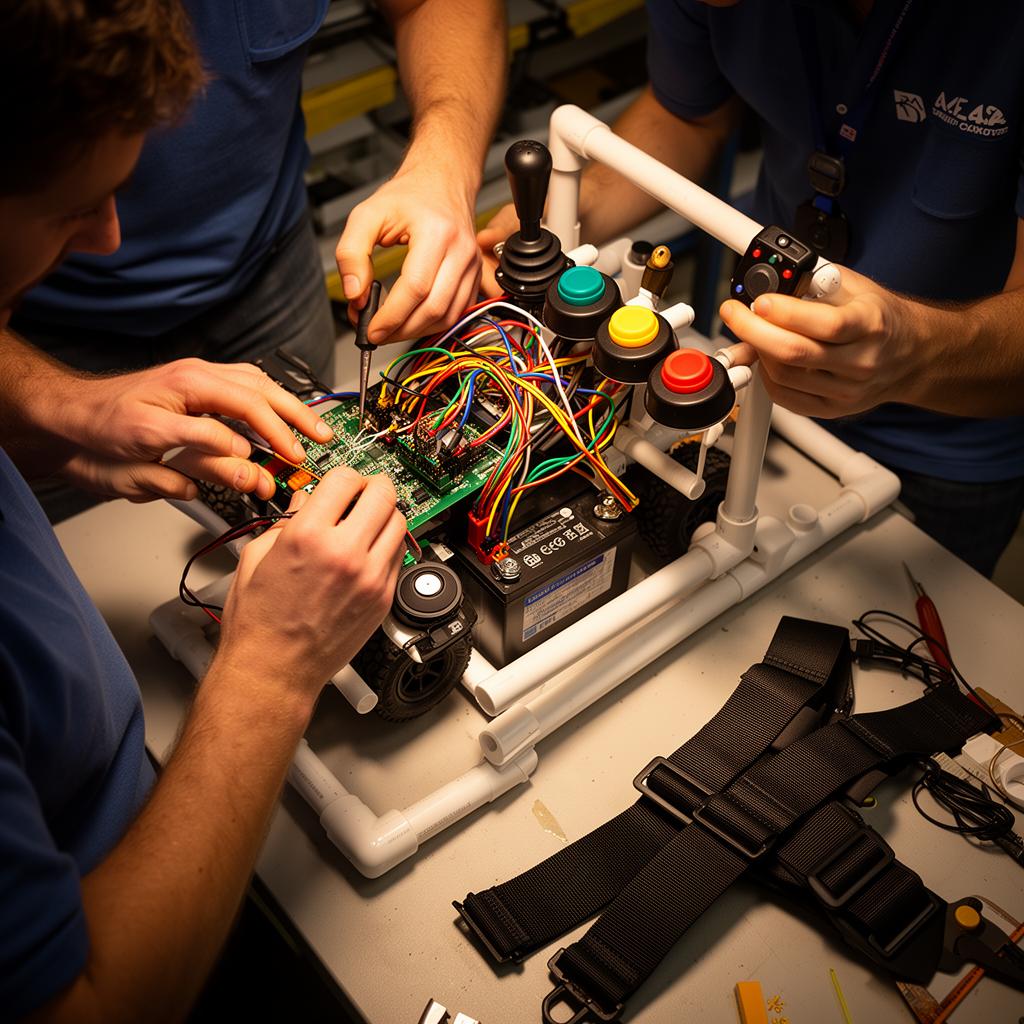
Wayfinder™ is the federally trademarked name of our vehicle line. We currently produce seven Wayfinder™ models — from the Littlest Wayfinder for infants to larger builds for children up to age eight. Each one is engineered, tested, and quality-checked by our team in Eugene, Oregon.
PNW Assistive Technology is a distinct organization with its own engineering, its own circuit boards, and its own series of vehicles. We deeply respect Go Baby Go and the broader adaptive-mobility community we share knowledge with — and the Wayfinder™ series is our own.
See the Wayfinder™ models →Real Impact
★ ★ ★
A young child with limited lower-body mobility quickly learned cause and effect — pressing a button to move forward — and began intentionally navigating toward family members.
★ ★ ★
One child who typically watched peers from the sidelines progressed to actively joining play, moving alongside other children and engaging socially.
★ ★ ★
A child paired with a joystick-adapted model grew from hesitant experimentation to visible excitement and improved engagement during every use.
Fuel a Dream
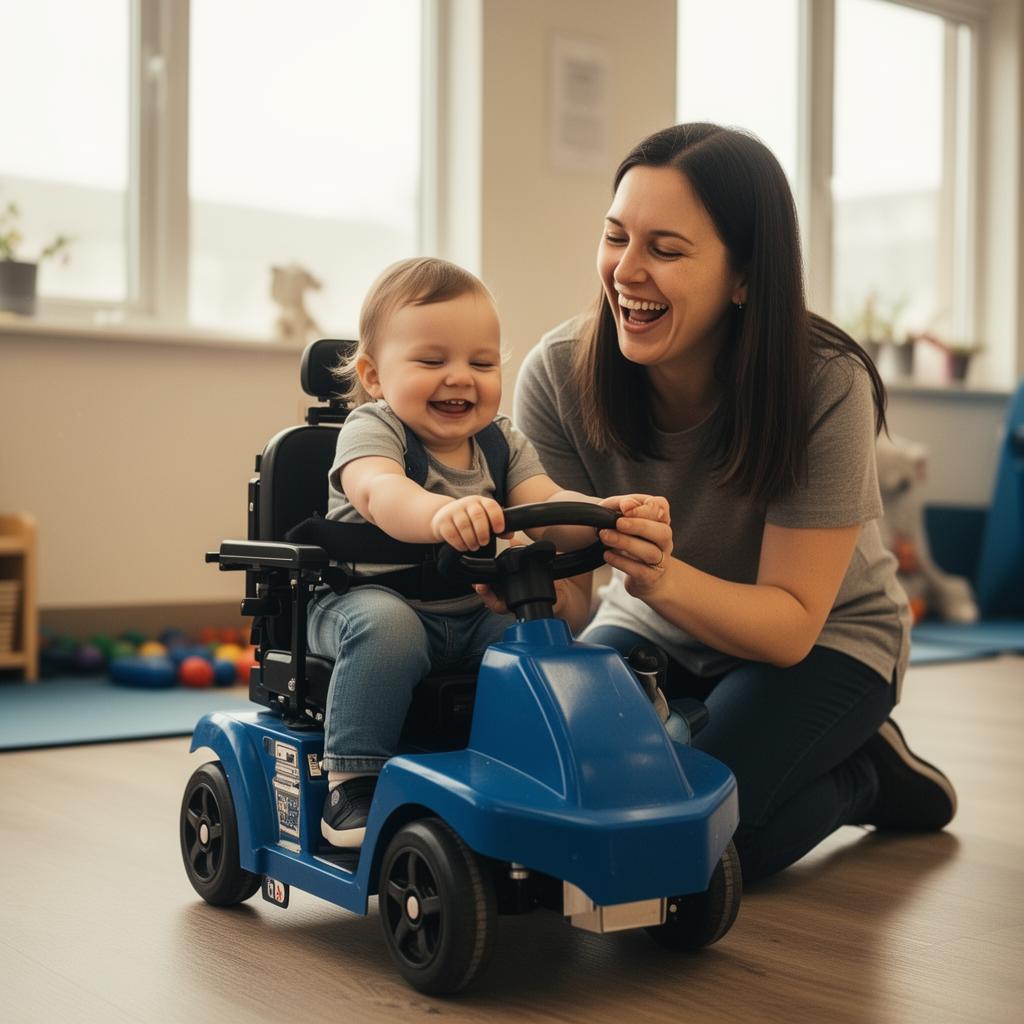
Every dollar funds the switches, harnesses, custom seating, and engineering hours that turn a $100 toy into a child's first vehicle of independence.